
Movements & Mechanics
How watch movements actually work and which calibre is inside the watch you are shopping for: Rolex, Omega, Tudor, Seiko and Grand Seiko calibres explained, compared and rated for ownership.
-
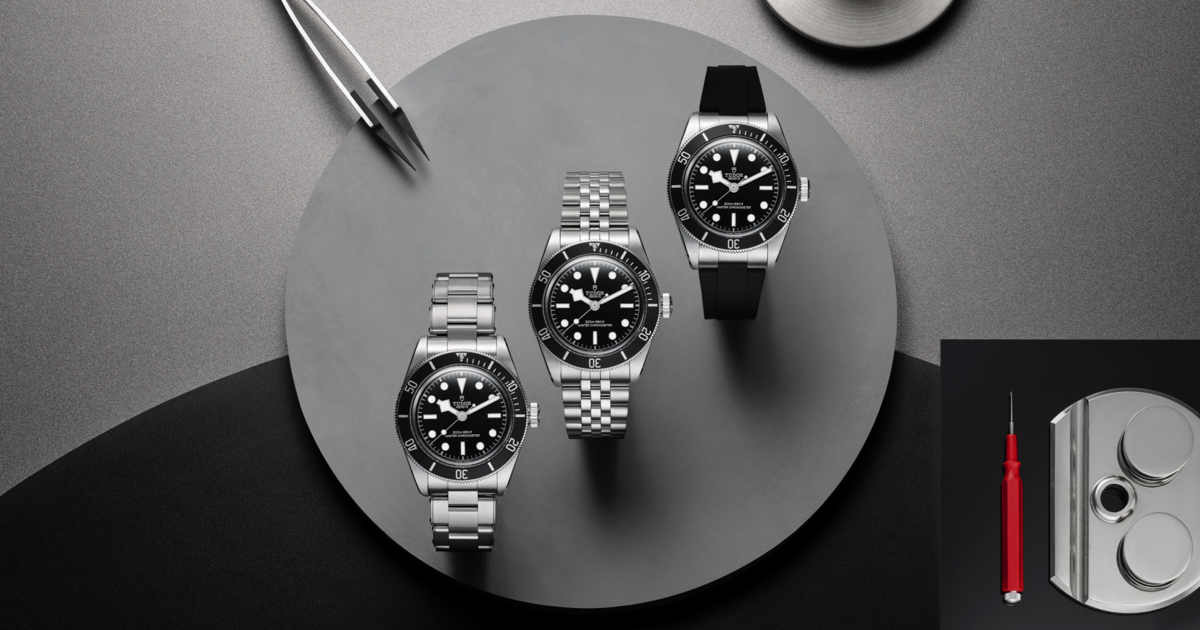
Tudor In-House Calibres Explained: MT5602, MT5612, MT5652, MT5813 and the METAS Generation
A complete guide to Tudor’s manufacture calibres — MT5602, MT5612, MT5652, MT5813 and the METAS Master Chronometer generation. Specifications, the watches they power, and what each certification means for buyers.
-

Grand Seiko Calibre 9SA5 Explained: Dual Impulse Escapement, Specs, Service and Which Watches Use It
Grand Seiko’s 9SA5 calibre introduced the Dual Impulse Escapement in 2020 — the only non-Swiss lever escapement in series production. Here’s how it works, the full specs, service costs, and which SLGH watches carry it.
-
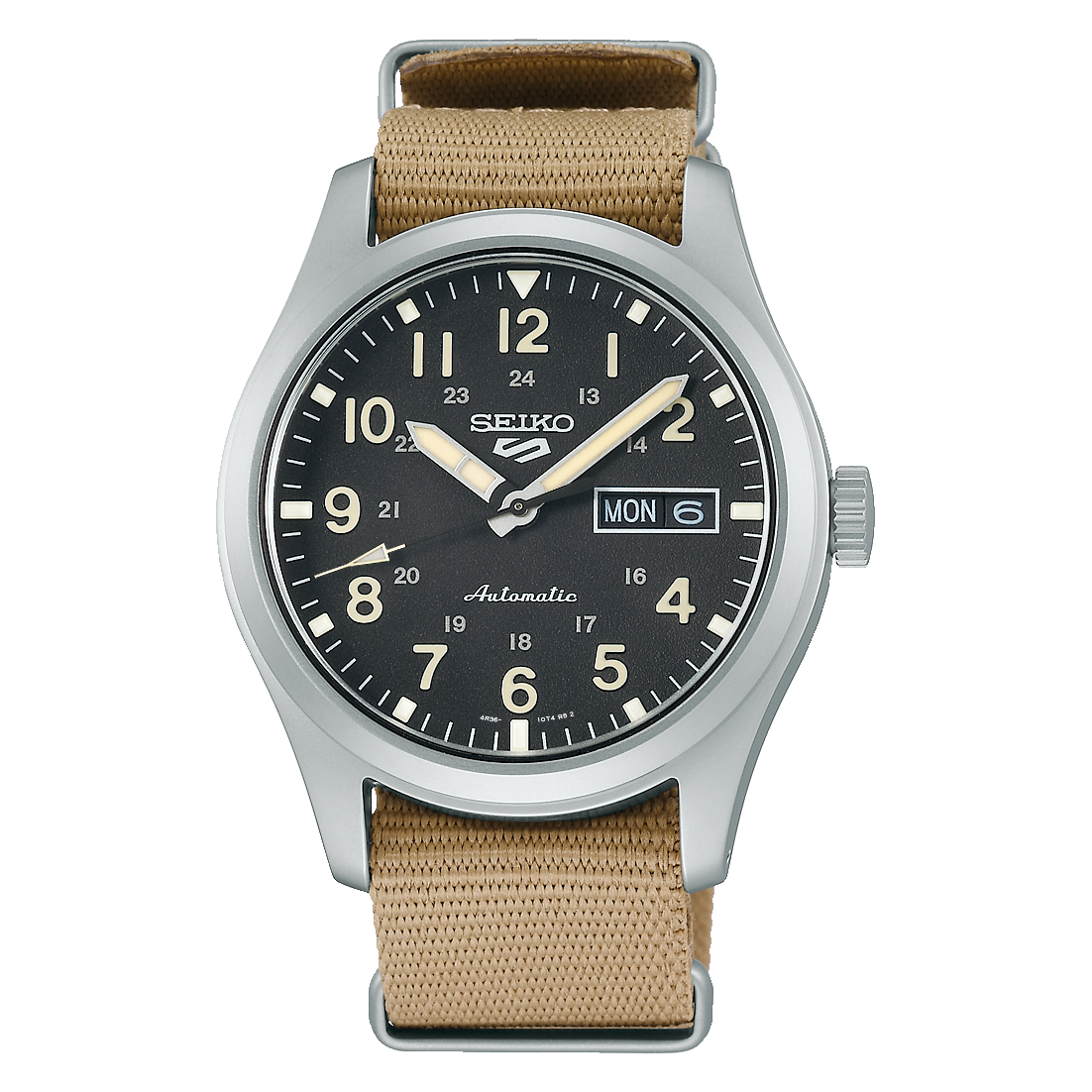
Seiko NH35 and NH36 Explained: The Calibres Powering a Thousand Microbrands
The NH35A and NH36A are made by TMI, Seiko’s movement-supply subsidiary, and power countless Seiko 5 Sports and microbrand automatics. Here is the complete guide to specs, accuracy, service and which watches to consider.
-
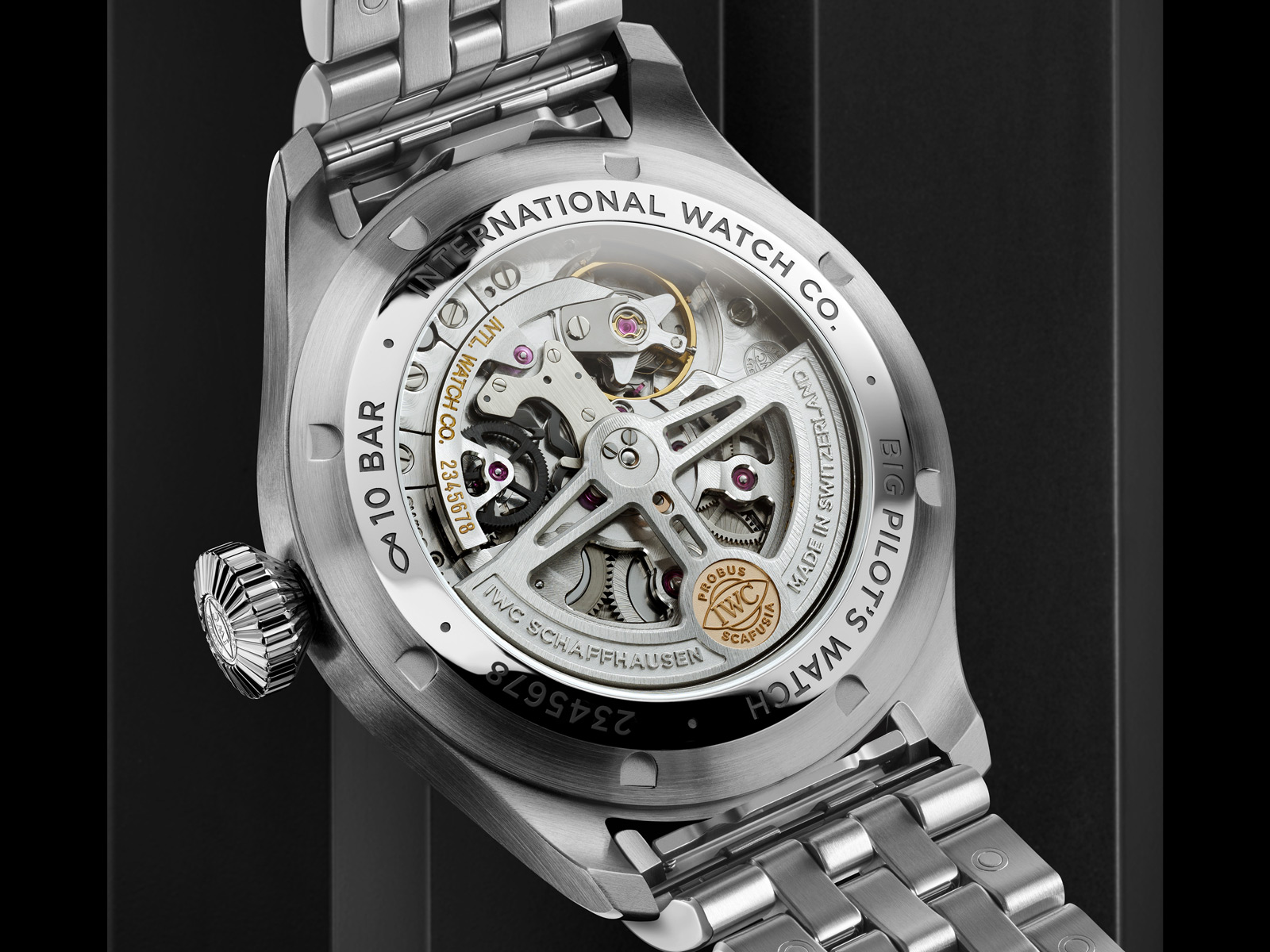
IWC Manufacture Calibres Explained: Cal. 32111, Cal. 69385 and Cal. 82100
A complete guide to IWC’s three main manufacture calibres—Cal. 32111, Cal. 69385, and Cal. 82100—with power reserve specs and which watches use them today.
-
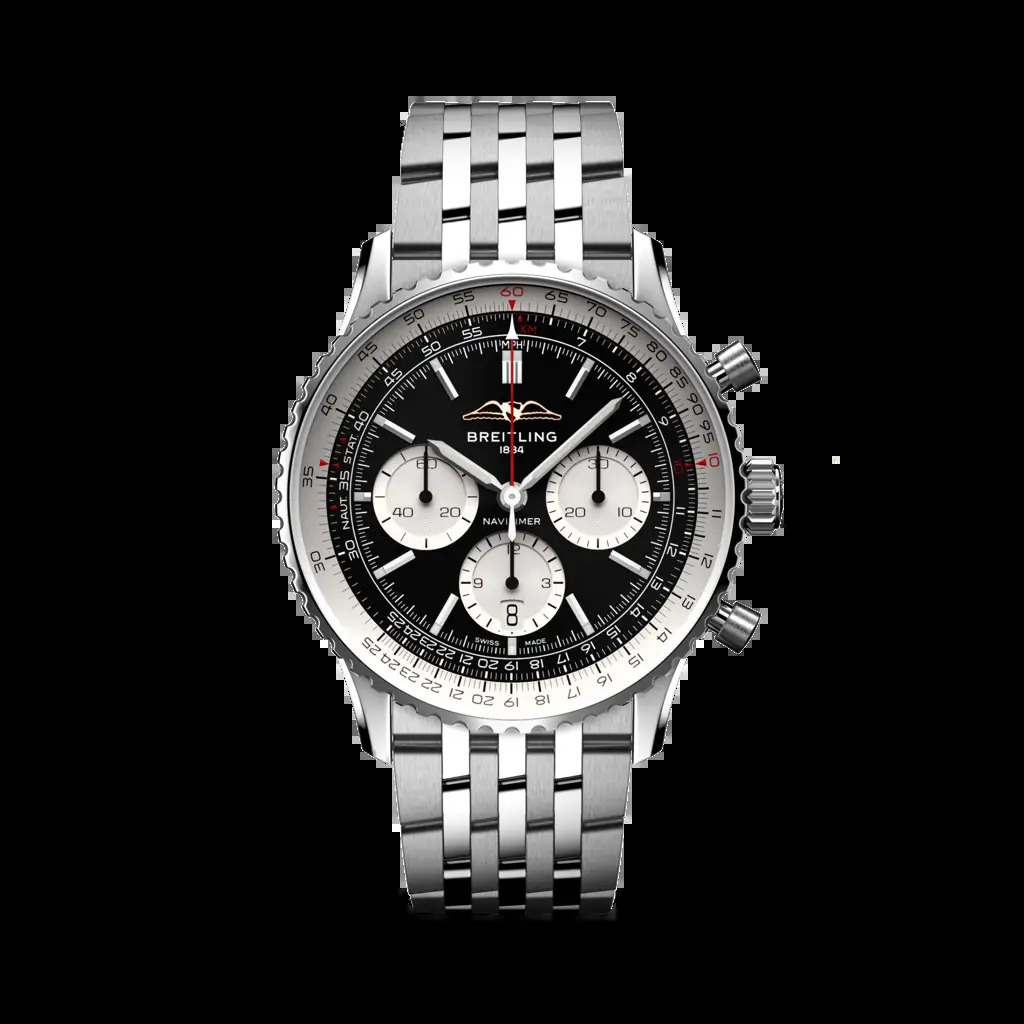
Breitling Calibre B01 Explained: Specs, Accuracy, Service and Which Watches Have It
The Breitling Calibre B01 is the in-house chronograph movement powering the Navitimer, Chronomat, Avenger and Superocean Heritage — here are its specs, service numbers and how it compares to the Heuer 02 and El Primero.
-
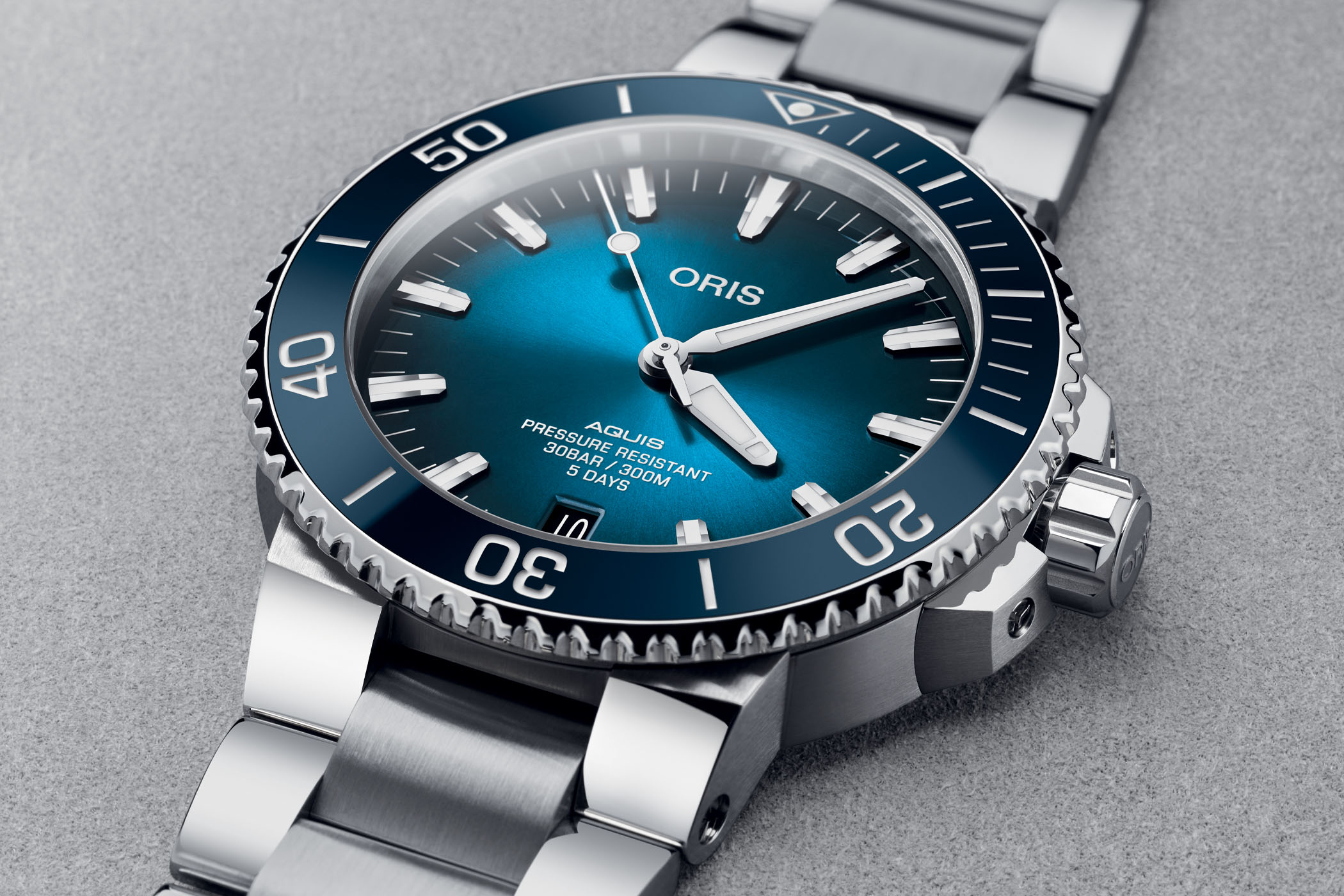
Oris Calibre 400 Explained: Specs, Power Reserve, Service and the Watches That Carry It
The complete guide to the Oris Calibre 400: how twin barrels deliver 120 hours of power reserve, why silicon components push service intervals to 10 years, how it compares to the ETA 2824 and Tudor MT5602, and which watches carry it.
-
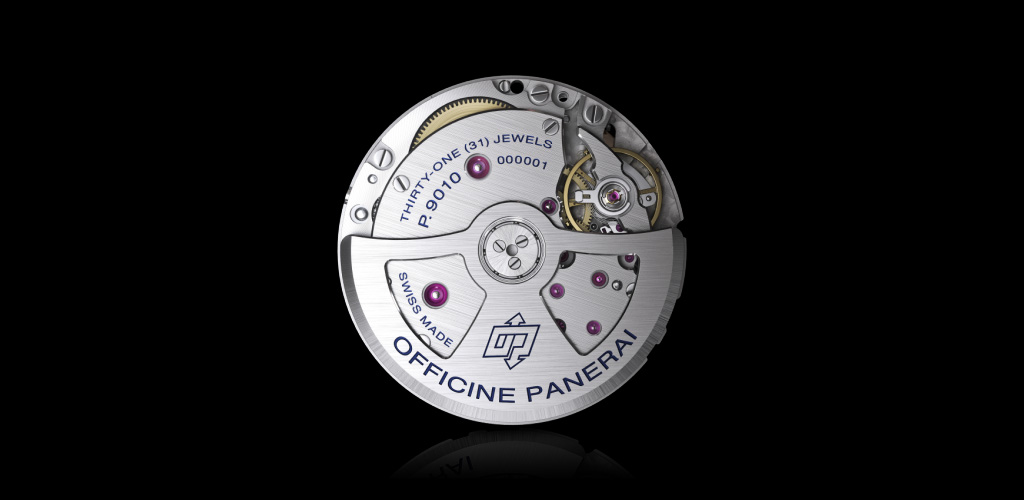
Panerai Manufacture Movements Explained: P.9000, P.9001, P.9010 and P.9011
A complete guide to Panerai’s in-house calibres: how the P.9000 series began in 2008, what changed with the P.9010 in 2017, and how each GMT variant—P.9001 and P.9011—differs in thickness, components and certification.
-
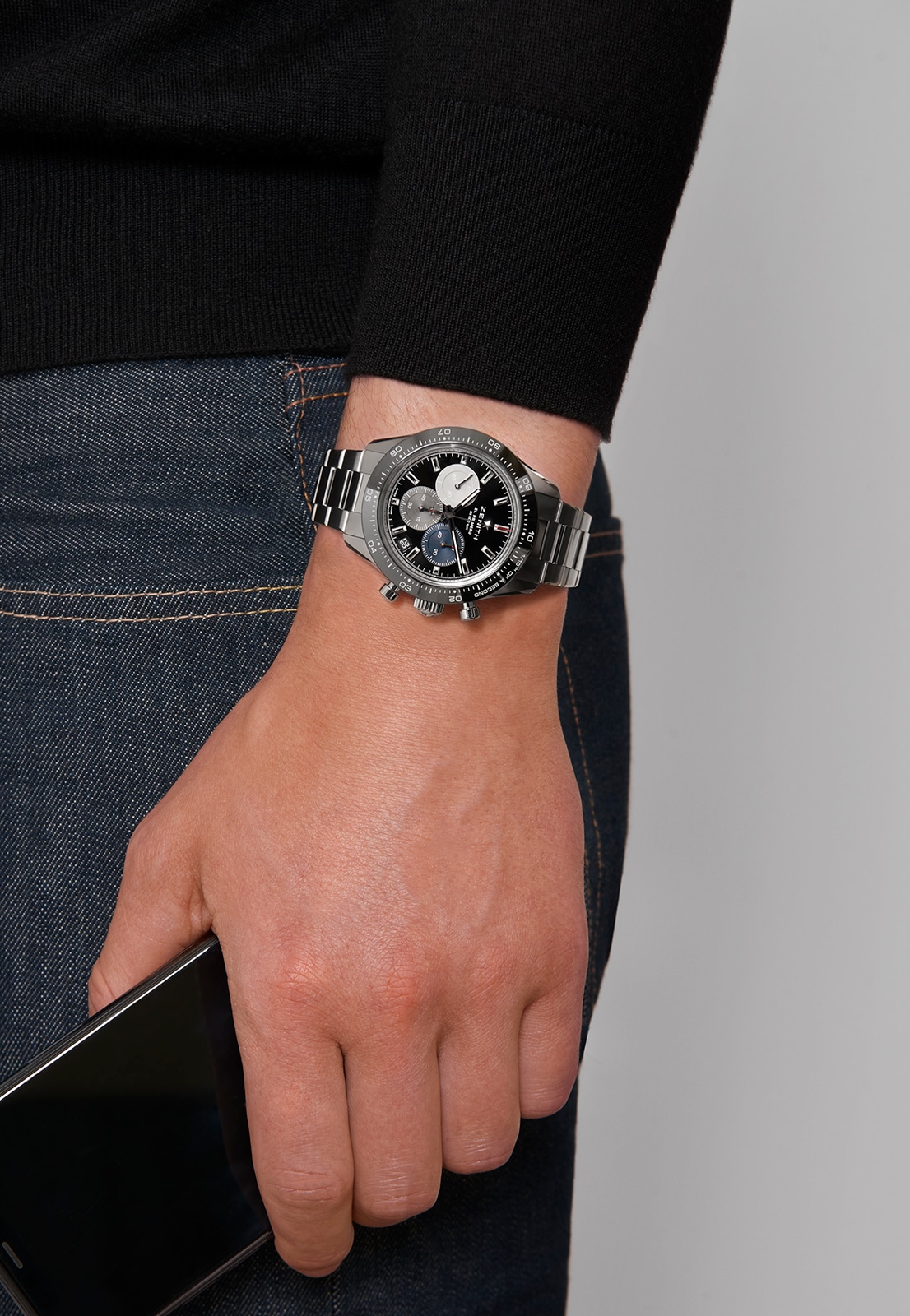
Zenith El Primero Explained: Specs, Accuracy, Service and the References That Carry It
From its 1969 debut to the silicon-escaped Cal. 3600 inside the Chronomaster Sport today, the El Primero remains watchmaking’s defining high-frequency chronograph. Here is everything you need to know: specs, service intervals, pre-owned prices, and which reference fits which buyer.
-
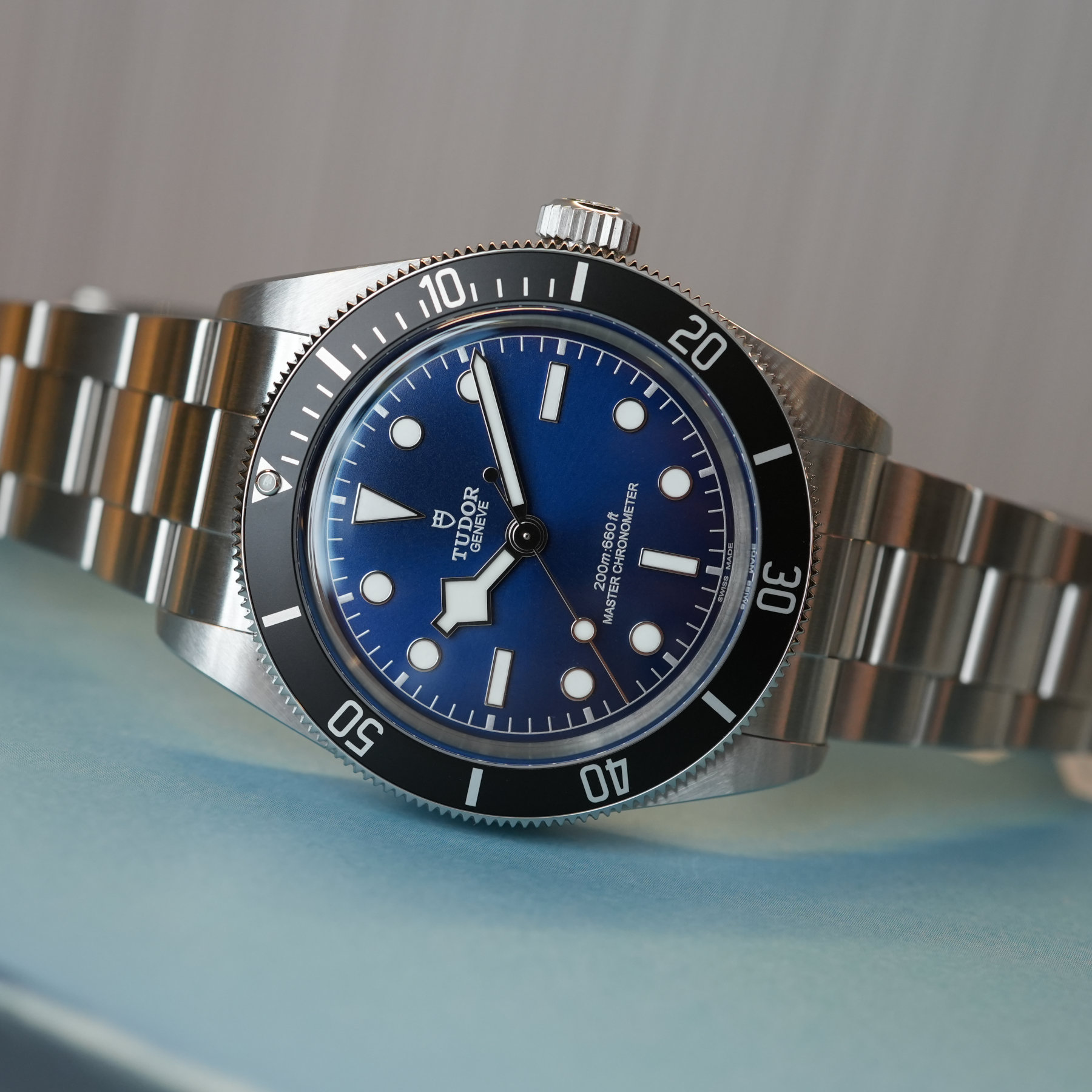
Tudor Manufacture Calibres Explained: MT5601, MT5602, MT5652 and the MT5400 — Which Movement Is in Your Watch?
When Tudor unveiled its first manufacture movement in 2015, the watch world took notice. For decades, Tudor had relied on supplied calibres — respected workhorses from ETA and Sellita — while the sibling brand upstairs at Rolex polished its own movements. The in-house push changed the conversation: Tudor was no longer just the value play…
-
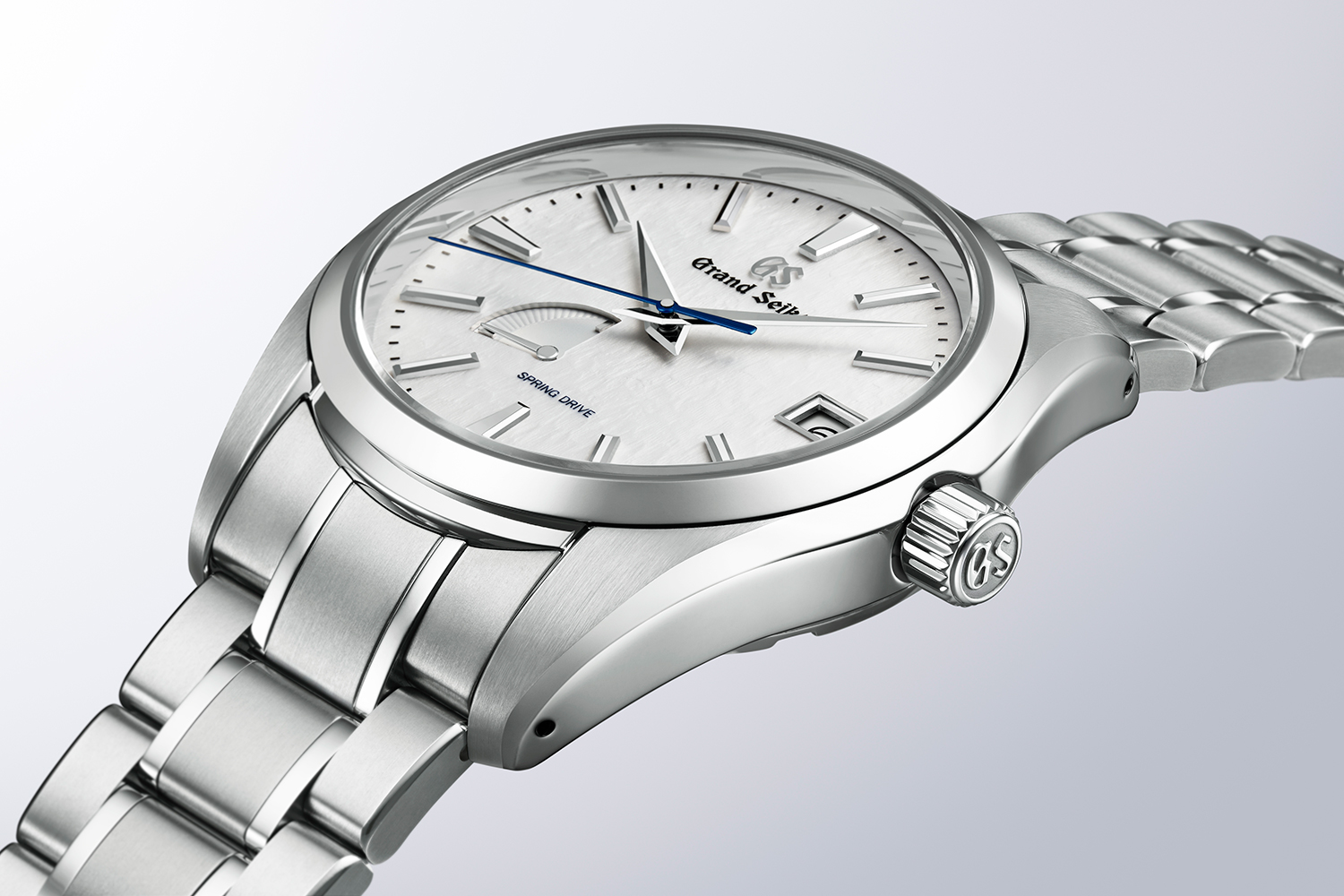
Grand Seiko Spring Drive Explained: How It Works, Accuracy, Service and Which Models to Buy
The Grand Seiko Spring Drive explained: how the Tri-synchro Regulator achieves quartz-level accuracy from a mainspring, the full calibre family compared, service costs, and which models to buy.