
Grand Seiko
Grand Seiko watch reviews and guides
-
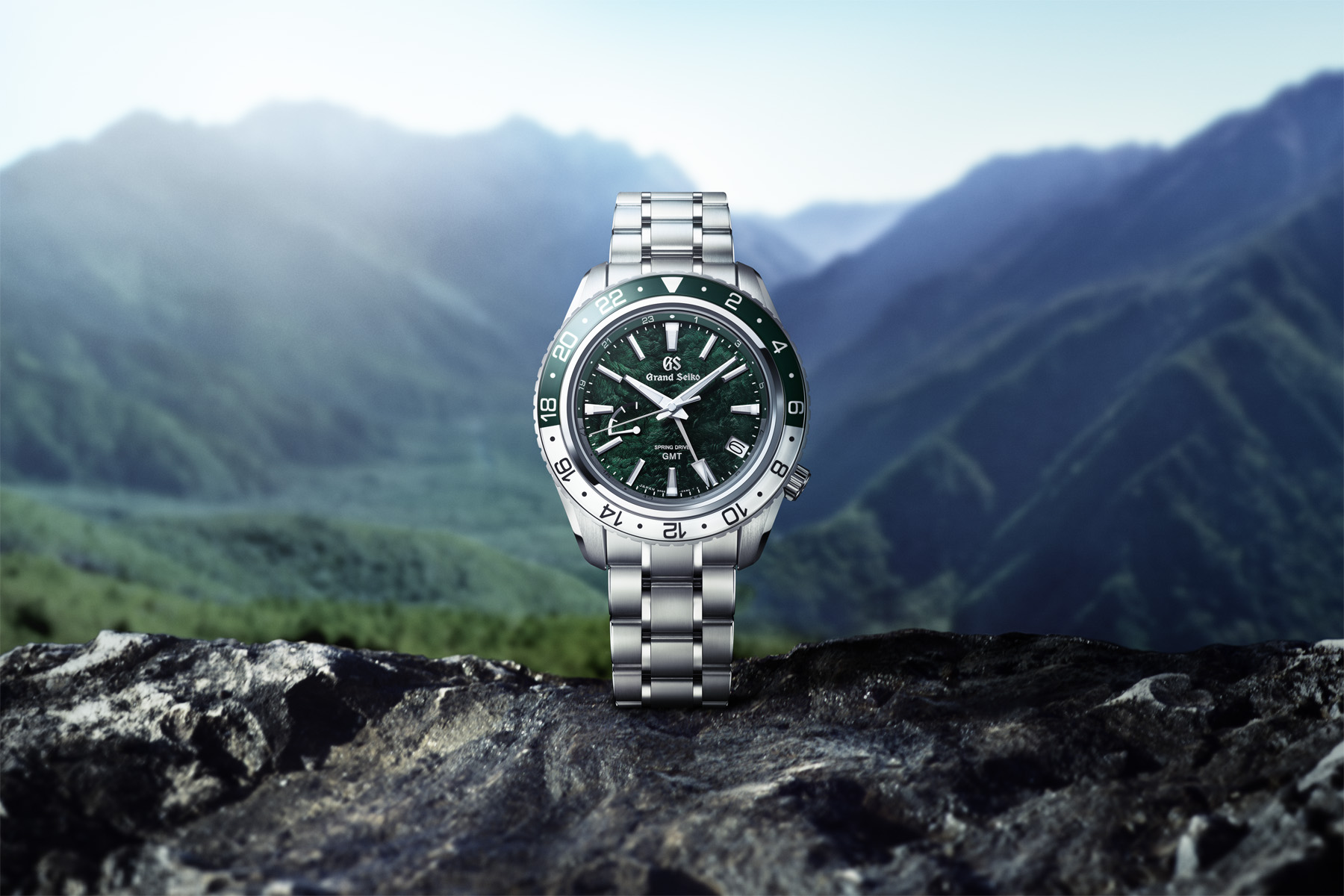
Grand Seiko vs Oris (2026): Japanese Spring Drive Artistry vs Independent Swiss Spirit
Choosing between Grand Seiko and Oris means choosing between two radically different philosophies. One is rooted in Japanese craftsmanship and a proprietary movement unlike anything else; the other is a fiercely independent Swiss watchmaker punching well above its price class. Here’s how they compare in 2026.
-
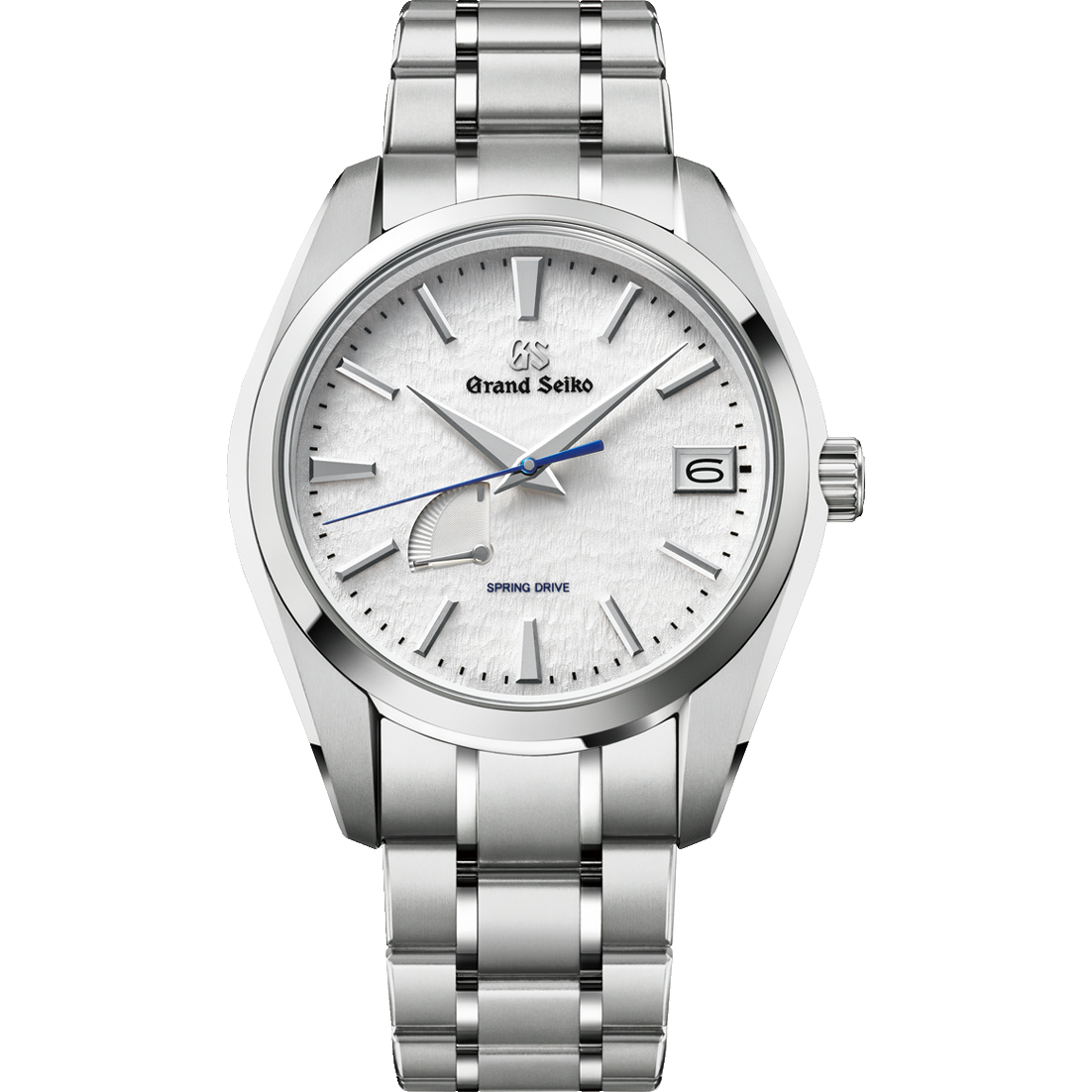
Grand Seiko vs Nomos Glashütte (2026): Japanese Perfection or German Bauhaus — Which Should You Buy?
Grand Seiko and Nomos Glashütte occupy opposite ends of the price spectrum, yet they attract remarkably similar buyers: collectors who reject mainstream luxury watch brands in favour of superior craftsmanship, in-house movements, and design that rewards close inspection. One is a Japanese icon with lacquer dials and a proprietary glide-spring mechanism; the other is a…
-
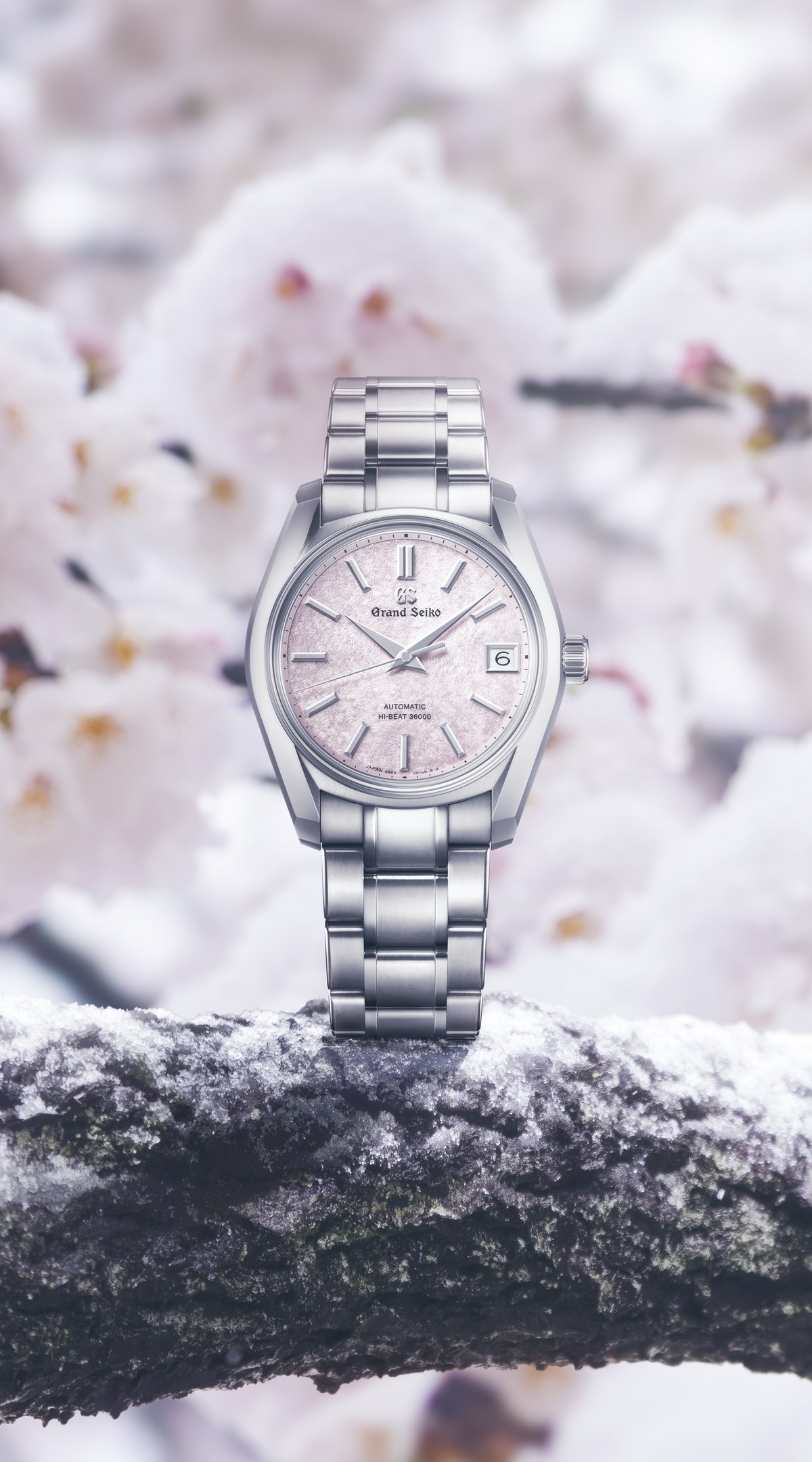
Grand Seiko SBGH341 Review (2026): Is the Sakura-Kakushi Hi-Beat Worth $7,900?
The Grand Seiko SBGH341 “Sakura-Kakushi” is one of the few watches under $10,000 where the dial stops conversations before the movement even enters the equation — a softly textured, grayish-pink face evoking spring snow settling on cherry blossoms, housed in 38mm of high-intensity titanium and driven by one of the most finely regulated mechanical movements…
-
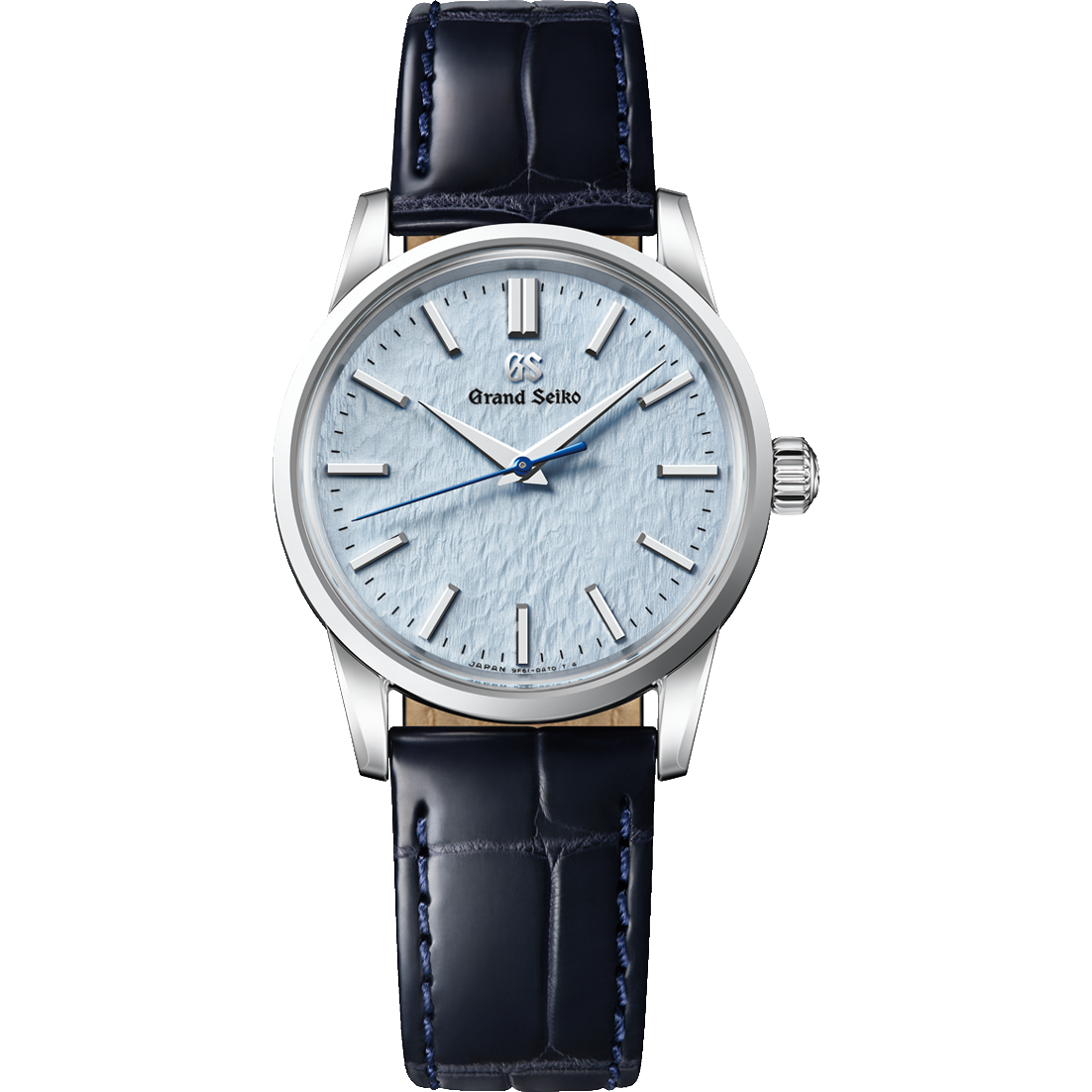
Grand Seiko Quartz Buying Guide (2026): Every 9F Model Explained
Grand Seiko quartz watches occupy a strange position in the market. They sit at a price point where most buyers are reaching for mechanical movements, they carry the same exceptional hand-finishing as pieces three times their price, and they use a caliber so refined it makes the word “quartz” feel inadequate. Yet they remain the…
-
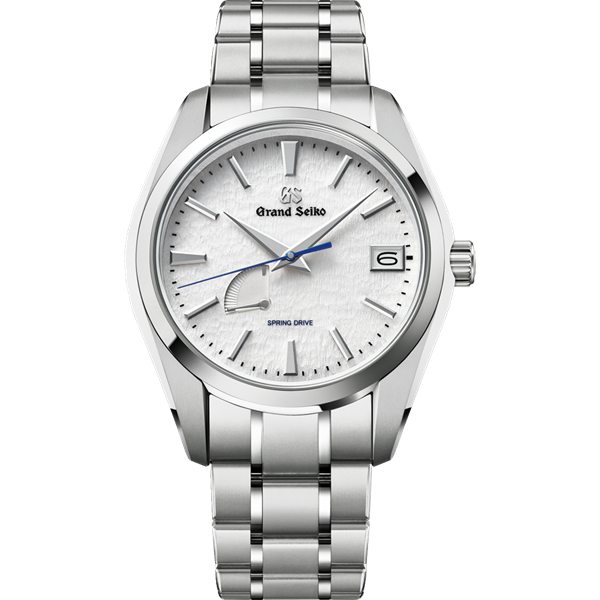
Grand Seiko vs Longines: Which Watch Should You Buy in 2026?
Grand Seiko and Longines represent two distinct approaches to watchmaking excellence. We compare heritage, design, movements, and value so you can decide which brand belongs on your wrist.
-
Grand Seiko vs Audemars Piguet (2026): Japanese Artisan vs Swiss Icon
⚡ TL;DR — Quick Verdict Grand Seiko wins on movement artistry, accuracy (±1 sec/day Spring Drive), and extraordinary dial finishing at a fraction of the price. Audemars Piguet wins on iconic design cachet, the Royal Oak’s enduring cultural status, and long-term investment appeal. Budget under $15k? Grand Seiko. Want a name your client will recognise…
-
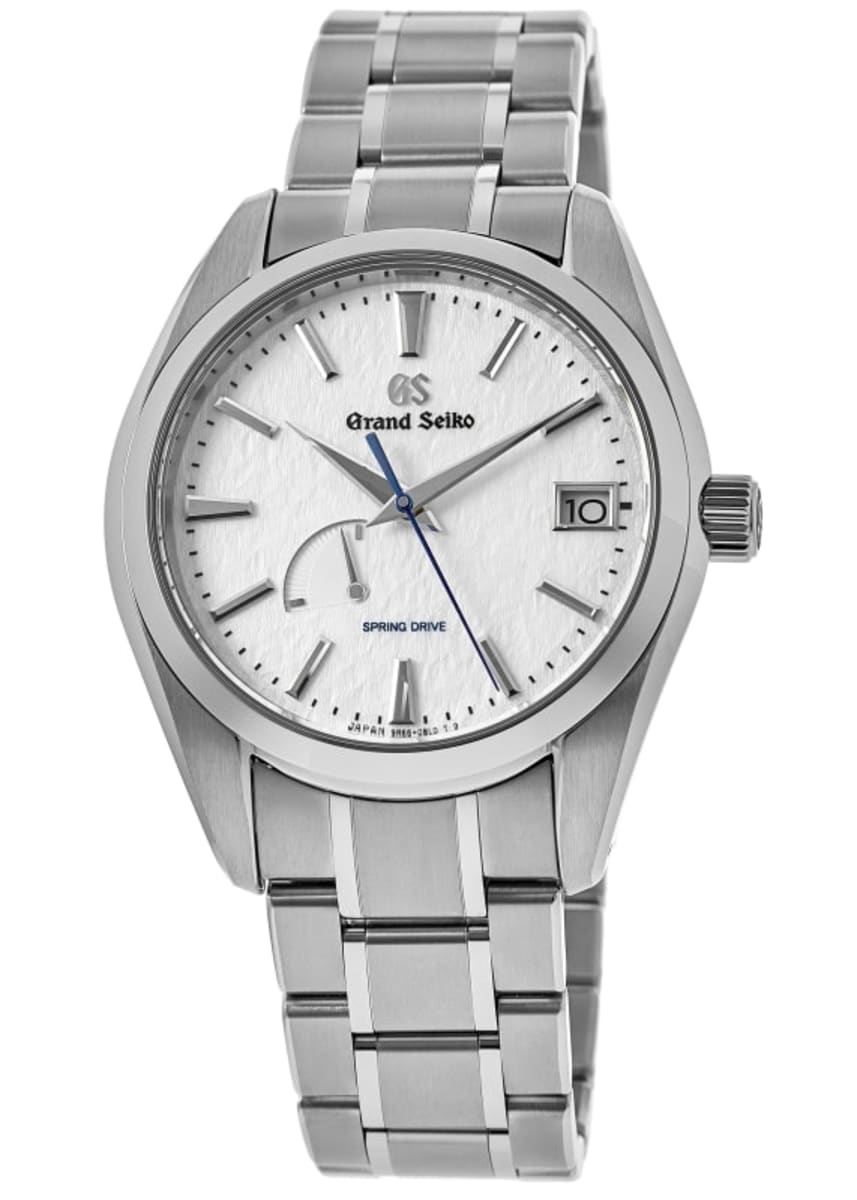
Grand Seiko vs Seiko (2026): Japan’s Watch Hierarchy Explained
TL;DR Grand Seiko and Seiko share DNA but occupy very different price worlds. Seiko delivers exceptional value at $200–$800 with reliable Japanese mechanicals. Grand Seiko, Seiko’s luxury division, starts at ~$3,500 and offers handcrafted finishing, the proprietary Spring Drive movement, and watches that compete with Swiss luxury at $6,000–$8,000. The Seiko Presage Cocktail Time (~$450)…
-
Grand Seiko vs Patek Philippe (2026): Japanese Artisan Craft or Swiss Investment-Grade?
TL;DR — Grand Seiko vs Patek Philippe Buy Grand Seiko if you want extraordinary nature-inspired dials, Spring Drive glide accuracy, and $4,000–$18,000 pricing without dealership waitlists. Buy Patek Philippe if prestige, investment-grade resale, complex in-house movements, and the most revered name in Swiss horology are your priorities. Price gap is real: comparable GS and Patek…
-
Grand Seiko vs TAG Heuer (2026): Japanese Spring Drive Artistry vs Swiss Chronograph Heritage
TL;DR: Grand Seiko wins on movement artistry, dial craftsmanship, and accuracy (±1 sec/day Spring Drive vs ±4 sec/day COSC). TAG Heuer wins on entry-price accessibility, sports chronograph heritage, and motorsport prestige. The Snowflake ($6,900) is a wearable work of Japanese art; the Carrera ($5,600–$6,600) is a Swiss mechanical icon with COSC timing credentials. Neither is…
-
Grand Seiko vs Zenith (2026): Spring Drive Artistry vs El Primero Legacy — Which Belongs on Your Wrist?
⏱ TL;DR Grand Seiko wins on movement artistry, finishing quality, and long-term value retention — the Spring Drive is the world’s most accurate self-winding movement. Zenith wins on chronograph heritage, wearability (slimmer 38mm case), and movement provenance — the El Primero has been in continuous production since 1969. If you value silent precision and Japanese…