
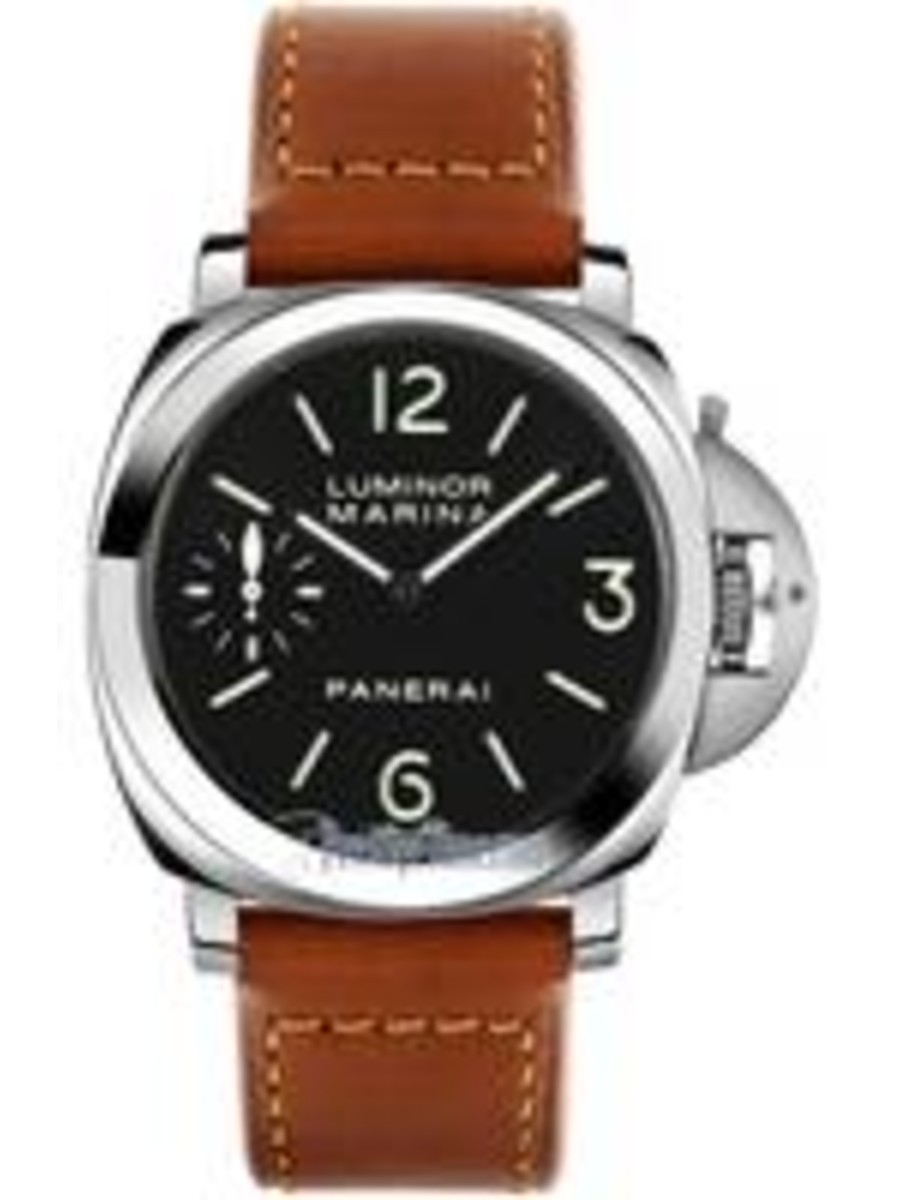
Panerai watches command prices from roughly $5,000 to well over $25,000 — and many people meeting the brand for the first time ask the obvious question: why is a Panerai so expensive? The short answer is a combination of in-house movements, hand-finished cases, Italian design heritage, deliberately limited production, and a cult-like brand status forged through Hollywood and the dive-watch world. This guide breaks down exactly where the money goes, how Panerai pricing compares to rivals like Rolex and Omega, and whether that premium is justified for you.
TL;DR: Panerai is expensive because the brand builds most of its calibres in-house at its Neuchâtel manufacture, hand-finishes large (44–47mm) cases, keeps production low (~70,000–80,000 watches a year vs. Rolex’s ~1 million), and owns a distinctive Italian-military design that no one else can legally copy. Entry models start around $5,000–$6,000 (as of June 2026); in-house and complicated pieces run $8,000–$25,000+. You’re paying for scarcity, identity, and genuine watchmaking — not just a logo.
Table of Contents
- The Heritage Premium: Italian Naval History
- In-House Movements Cost Real Money
- Large Cases, Hand-Finishing & Materials
- Low Production = Built-In Scarcity
- Brand Status, Marketing & the “Paneristi”
- Panerai Price Breakdown by Line (2026)
- Is Panerai Overpriced vs. Rolex & Omega?
- So Is It Worth the Money?
- Frequently Asked Questions

The Heritage Premium: Italian Naval History
Panerai isn’t a watch brand that bolted on a backstory for marketing. Founded in Florence in 1860 as a watch shop and instrument workshop, Giovanni Panerai’s company became the official supplier of precision instruments and diving watches to the Royal Italian Navy (Regia Marina). The oversized, luminous-dialled watches Panerai built for naval frogmen in the 1930s and 40s — the original Radiomir and later the Luminor — were genuine military tools, not commercial products. For decades they were classified.
That authenticity is rare. Most luxury “tool watches” reference a heritage they invented or borrowed; Panerai’s cushion case, wire lugs, and crown-protecting bridge are direct descendants of patents filed for actual combat diving. When you buy a modern Luminor, you’re buying into roughly 90 years of documented naval design. Brands charge for that kind of provenance — and collectors willingly pay it.
In-House Movements Cost Real Money
This is the single biggest driver of Panerai’s price. When Panerai relaunched as a luxury brand in 1997 (after Richemont acquired it), early models used modified ETA and Valjoux movements. But in 2005 Panerai opened its own manufacture in Neuchâtel, Switzerland, and began producing in-house calibres — the P.9000 series, P.4000 micro-rotor, P.2002 GMT, and others.
Building movements in-house is enormously expensive. It requires R&D, CNC machining, hand-assembly, and quality control that brands buying off-the-shelf calibres simply don’t pay for. Panerai’s in-house movements also offer features buyers actually want: three-day (72-hour) and even eight-day power reserves, which became a signature. A watch you can take off on Friday and pick up Monday still running is an engineering choice that costs money to deliver.

It’s worth noting that not every Panerai uses an in-house movement — some entry references still use the OP XXXIV (a reliable but outsourced base). That’s part of why the cheapest Luminor Due and base Radiomir models sit at the bottom of the range, while in-house P.9010 and P.4000 pieces climb higher.
Large Cases, Hand-Finishing & Materials
Panerai cases are big — typically 42mm, 44mm, or even 47mm — and that’s not a styling accident, it’s expensive engineering. More metal means more machining time, and Panerai’s crown-locking lever device (the lever bridge that clamps the crown) is a complex, patented mechanism that has to be assembled and adjusted by hand. The brushed-and-polished finishing on a Luminor case involves multiple manual stages.
Panerai also invests heavily in proprietary materials. Over the years the brand has developed Carbotech (a layered carbon-fibre composite), eSteel™ (made partly from recycled steel), BMG-Tech (bulk metallic glass), and high-grade titanium and ceramic cases. Many of these are exclusive to Panerai and command a premium over standard 316L steel. A titanium or Carbotech Submersible can cost 30–60% more than the steel version of the same watch.

The famous sandwich dial — two stacked discs with luminous material showing through cut-out numerals — is another costly, labour-intensive detail that gives Panerai its unmistakable depth and glow. It’s the kind of construction most brands skip to save money.
Low Production = Built-In Scarcity
Scarcity is a huge part of luxury pricing, and Panerai produces relatively few watches. Industry estimates put annual Panerai output at roughly 70,000–80,000 watches per year. For comparison, Rolex makes an estimated ~1 million watches annually, and Omega produces several hundred thousand. Fewer watches means each one carries more of the manufacture’s fixed costs — and it keeps the brand feeling exclusive.
Panerai also leans heavily on limited editions. Special boutique pieces, anniversary models, and experience-based limited runs (some bundling diving trips or factory visits) are produced in tiny numbers and priced accordingly. This deliberate scarcity supports both the retail price and, for sought-after references, the secondary-market value.
Brand Status, Marketing & the “Paneristi”
Part of any luxury price is intangible: the status the watch confers and the community around it. Panerai’s modern fame exploded in the late 1990s when Sylvester Stallone wore one in the film Daylight and famously had the brand make a personalised version. That Hollywood moment turned an obscure Italian military maker into a celebrity favourite almost overnight — Arnold Schwarzenegger and other action stars followed.
Just as important is the “Paneristi” — one of the most devoted enthusiast communities in all of watch collecting. This grassroots fanbase, with its own forums, meet-ups, and inside language, gives Panerai a cultural cachet that money genuinely can’t manufacture. When a brand has buyers who tattoo the logo and fly across continents for collector gatherings, demand stays strong and pricing power follows.
Panerai Price Breakdown by Line (2026)
Here’s roughly where Panerai’s main collections sit at retail (prices approximate, as of June 2026, and vary by reference, material, and region):
| Collection | Typical Size | Movement | Approx. Price (USD, 2026) |
|---|---|---|---|
| Luminor Due (entry) | 38–42mm | OP XXXIV / P.900 | $5,400–$8,000 |
| Radiomir | 45mm | P.6000 hand-wound | $5,800–$9,500 |
| Luminor Marina | 44mm | P.9010 / P.9000 automatic | $7,200–$11,000 |
| Submersible | 42–47mm | P.900 / P.9010 (ISO 6425) | $9,000–$15,000 |
| Submersible (titanium/Carbotech) | 42–47mm | In-house automatic | $12,000–$18,000 |
| Complications & precious metal | 44–47mm | P.2002 GMT, tourbillon, gold | $18,000–$25,000+ |
If you want a deeper reference-by-reference breakdown of value, our Is Panerai Worth It? buying guide walks through specific models and where the sweet spots are.
Is Panerai Overpriced vs. Rolex & Omega?
A common criticism is that Panerai charges Rolex money without Rolex’s bulletproof resale value. There’s truth to that — but the comparison is more nuanced than it first appears. Here’s how the three brands stack up on the factors that justify (or undermine) the price:
| Factor | Panerai | Rolex | Omega |
|---|---|---|---|
| Entry price (steel sport) | ~$7,200 (Luminor) | ~$9,200 (Submariner) | ~$6,400 (Seamaster) |
| In-house movements | Mostly yes | Yes | Yes (Co-Axial) |
| Annual production | ~70–80k (low) | ~1M (high) | Several hundred k |
| Design distinctiveness | Very high (unique) | High (iconic) | Moderate |
| Resale value retention | Moderate | Excellent | Moderate |
| Waitlist / availability | Generally available | Often hard to get | Generally available |
The takeaway: Panerai isn’t overpriced relative to what it builds — the movements, materials, and finishing are real. Where it differs from Rolex is on the resale and exclusivity-of-access axis. Rolex sport models hold value extraordinarily well partly because they’re hard to buy at retail. Panerai you can usually walk in and purchase, which paradoxically softens secondary-market premiums. So you’re paying for craftsmanship and identity, not for a watch that will necessarily appreciate.
For a full head-to-head on this, see our Panerai vs Rolex comparison.
So Is It Worth the Money?
Panerai makes the most sense for buyers who fall in love with the look and the story — the bold cushion case, the lever-bridge crown guard, the glowing sandwich dial, the naval heritage. If you want maximum resale value and the lowest entry price into Swiss luxury, Rolex or Omega may serve you better. But if you want a watch with genuine in-house watchmaking, distinctive design no rival can copy, and a passionate community behind it, the premium is defensible.
If you’re shopping accessories, a quality aftermarket 22mm or 24mm leather strap is one of the easiest ways to personalise a Luminor without paying boutique prices — Panerai’s lug width makes strap-swapping part of the fun. For travel and storage, a single-watch travel case protects the large crystal during transit.
Frequently Asked Questions
Panerai is expensive primarily because it builds most of its movements in-house at its Neuchâtel manufacture, hand-finishes large 44–47mm cases, uses proprietary materials like Carbotech and titanium, and produces relatively few watches (~70,000–80,000 per year). Add nearly a century of documented Italian naval heritage and a devoted collector community, and you get strong pricing power. Entry models start around $5,400–$7,200, with in-house and complicated pieces running $9,000 to $25,000+ (as of June 2026).
For buyers who love the distinctive design and naval heritage, yes — you get genuine in-house watchmaking, hand-finished cases, and a look no other brand can legally replicate. However, if your priority is resale value or the lowest entry price into Swiss luxury, Rolex or Omega may offer better value retention. Panerai is about identity and craftsmanship more than investment.
No. Many Panerai watches use in-house calibres such as the P.9010 automatic, P.6000 hand-wound, and P.4000 micro-rotor, but some entry-level references still use the outsourced OP XXXIV base movement. The use of an in-house movement is one of the main factors that pushes a particular model higher up the price range.
A steel Panerai Luminor starts around $7,200 versus roughly $9,200 for a steel Rolex Submariner (as of June 2026), so Panerai is often slightly cheaper at entry. The bigger difference is resale: Rolex sport models hold value exceptionally well partly because they’re hard to buy at retail, while Panerai is generally available and sees softer secondary-market premiums.
Panerai’s signature cushion cases are typically 42mm, 44mm, or 47mm because the originals were built as legible military dive instruments. The large size requires more machining time, and the patented crown-locking lever device adds complex hand-assembly. More metal and more manual finishing both contribute to the higher cost.
The most affordable Panerai watches are typically entry Luminor Due and base Radiomir references, which start around $5,400–$5,800 at retail (as of June 2026). These often use the simpler OP XXXIV or P.900 movements. Pre-owned examples can be found for less, but always verify authenticity and service history.
Panerai’s value retention is moderate — better than many fashion-luxury watches but well below Rolex’s steel sport models. Sought-after limited editions and discontinued in-house references can hold or even gain value, while mainstream current models typically depreciate on the secondary market. Buy a Panerai because you want to wear and enjoy it, not as a guaranteed investment.
Related Articles on The Watchology
Exploring Panerai or comparing luxury watch brands? These guides go deeper:
- Is Panerai Worth It? (2026 Buying Guide) — prices, value, and the best models to start with.
- Panerai vs Rolex (2026) — which brand wins for your style, sport, and budget.
- Can You Swim With a Panerai? — water-resistance ratings explained model by model.
- Grand Seiko vs Omega (2026) — for a broader luxury watch perspective.
- Omega Planet Ocean vs Seamaster — comparing dive watch options beyond Panerai.
This article was researched with the help of AI. While we strive to keep all information accurate and up to date, there may be errors. If you notice any discrepancies, please contact us.